Some books demand attention.
Others earn it quietly.
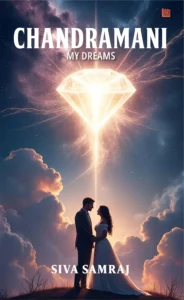
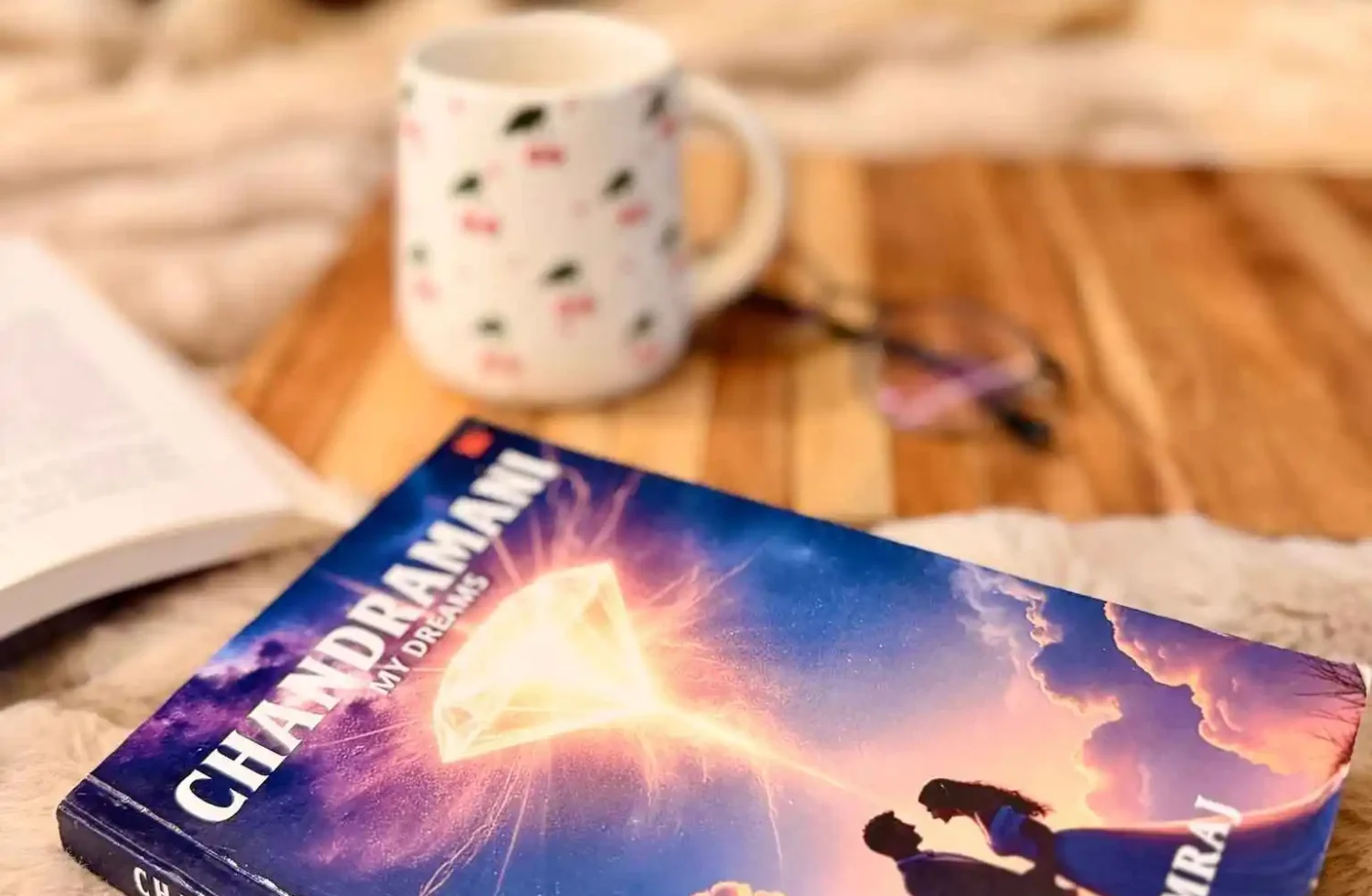
Chandramani: My Dreams belongs to the latter category. It does not rush to impress with spectacle or dramatic urgency. Instead, it invites you into a slower, more intimate experience, one that unfolds like memory rather than plot. Reading this novel feels less like consuming a story and more like listening to an old soul recount something it has lived many times before.
At its heart, this is a novel about dreams. Not fleeting, half remembered dreams, but the kind that linger, return, and insist on being understood. The story weaves together history, reincarnation, longing, and identity, drawing from India’s rich past while remaining deeply personal in its emotional core.
Quick Summary of Chandramani: My Dreams
Chandramani: My Dreams by Siva Samraj is an Indian historical fiction novel that blends the legend of the Kohinoor diamond with themes of dreams, reincarnation, love, and memory. The story moves across centuries, connecting past and present through recurring visions and emotional inheritance. Written in a reflective, lyrical style, the novel focuses less on historical spectacle and more on human longing and destiny. It is ideal for readers who enjoy thoughtful, emotionally rich fiction rooted in Indian history.
A Story That Moves Like Memory, Not History
Although the novel is rooted in historical fiction, particularly the mythos surrounding the Kohinoor diamond, it never feels like a history lesson. Instead of presenting events as grand spectacles, the author chooses intimacy. Mines by the Krishna River, shifting empires, palaces, temples, and battles all exist in the background, but they never overpower the human story at the centre.
The idea of Chandramani, the moonstone, is especially compelling. It is not treated merely as a priceless diamond, but as a symbol of continuity. Chandramani becomes memory, desire, loss, and destiny all at once. The diamond travels through time, but so do emotions, relationships, and unfinished stories.
The narrative flows effortlessly between centuries, dreams and waking life, past and present. What makes this transition work is the author’s restraint. There is no forceful explanation, no over justification. The reader is trusted to feel the connections rather than be told how to interpret them.
Characters That Feel Lived In
One of the strongest aspects of Chandramani: My Dreams is its characters. They are not written to perform for the reader. They exist, quietly and convincingly.
Love in this novel is not loud. It is patient, devoted, and deeply rooted. The relationship between Surya and Chhaya Devi is not built on grand declarations, but on recognition. There is a sense that they know each other beyond the limits of one lifetime. Their bond feels inevitable rather than dramatic, which gives it emotional weight.
Pain, too, is treated with dignity. Loss is not exaggerated for effect. When tragedy strikes, it does so with a heaviness that feels real. The suffering in this book is never theatrical. It simply exists, as it does in life.
Even secondary characters leave an impression, particularly because they are woven naturally into the moral and emotional fabric of the story. Power, greed, loyalty, and sacrifice are explored without reducing characters to symbols.
Writing Style: Lyrical Without Being Excessive
From a literary standpoint, the prose is one of the novel’s greatest strengths. The language is unhurried and reflective, often lyrical, but never indulgent. There is a noticeable sincerity in the writing, a sense that the story is being told because it needs to be told, not because it needs to impress.
The author allows silence to exist on the page. Moments of reflection, pauses between action, and emotional stillness are given space. This works especially well for readers who enjoy contemplative fiction that prioritises atmosphere and meaning over speed.
Importantly, the writing remains accessible. Even when dealing with complex ideas such as reincarnation, destiny, and historical continuity, the narrative never becomes dense or alienating.
More Than Historical Fiction
What truly sets Chandramani: My Dreams apart is its refusal to fit neatly into a single genre. While it can be categorised as Indian historical fiction, it is equally a romantic meditation, a philosophical exploration, and a spiritual journey.
This is not just a novel about the Kohinoor. It is about what we inherit, not just materially, but emotionally. It asks what it means to carry memories we do not consciously remember, and whether our dreams might be echoes of lives once lived.
By the time the story moves into the modern timeline, the reader is no longer questioning whether the connections are real. Instead, the question becomes more personal: what dreams are we carrying, and where did they begin?
From a literary standpoint, the prose is one of the novel’s greatest strengths. The language is unhurried and reflective, often lyrical, but never indulgent. There is a noticeable sincerity in the writing, a sense that the story is being told because it needs to be told, not because it needs to impress.
The author allows silence to exist on the page. Moments of reflection, pauses between action, and emotional stillness are given space. This works especially well for readers who enjoy contemplative fiction that prioritises atmosphere and meaning over speed.
Importantly, the writing remains accessible. Even when dealing with complex ideas such as reincarnation, destiny, and historical continuity, the narrative never becomes dense or alienating.
Why This Book Lingers
When I finished Chandramani: My Dreams, I did not feel the satisfaction of closure. I felt something quieter and more unsettling, the stillness of a conversation paused rather than ended.
This is the kind of book that stays with you not because of twists or spectacle, but because it gently asks questions you may not have answers to. Are dreams accidental? Do certain longings repeat themselves across time? Are some stories meant to be found rather than written?
For readers who enjoy thoughtful, emotionally rich novels that blend Indian history with introspection and romance, this book offers a deeply rewarding experience.
Analysing Chandramani: My Dreams Beyond Genre
Final Verdict
From an analytical perspective, Chandramani: My Dreams positions itself at the intersection of historical fiction and metaphysical inquiry. The Kohinoor diamond functions less as a historical artefact and more as a narrative anchor, symbolising continuity across time. The novel’s use of reincarnation and recurring dreams aligns with Indian philosophical traditions, where memory is not confined to a single lifetime.
Rather than prioritising linear plot progression, the author employs emotional causality, allowing relationships and unresolved longing to drive the narrative. This approach results in a contemplative reading experience that privileges meaning over momentum, making the novel particularly suited to readers who appreciate reflective literature grounded in cultural history.
Chandramani: My Dreams is a novel for readers who value depth over drama, meaning over momentum, and emotion over excess. It is a quiet, confident work that trusts its readers and rewards patience.
Some books entertain you for a while.
Some books stay with you.
This one waits, like a dream you are meant to return to.
Chandramani: My Dreams is a historical fiction novel that explores the journey of a legendary diamond across centuries, intertwined with themes of dreams, reincarnation, love, and destiny.
The novel blends historical elements related to the Kohinoor diamond with fictional characters and imaginative storytelling, creating a narrative that is emotionally true even when fictionalised.
This book is ideal for readers who enjoy Indian historical fiction, reflective storytelling, slow-burn romance, and novels that explore memory and identity.
Unlike spectacle-driven historical fiction, this novel focuses on intimacy, emotional continuity, and philosophical depth, allowing history to serve the human story rather than dominate it.
While the novel contains a strong romantic core, it is not a conventional romance. Love is portrayed as timeless and spiritual rather than dramatic or plot-driven.