
A Voice From the Death Ward
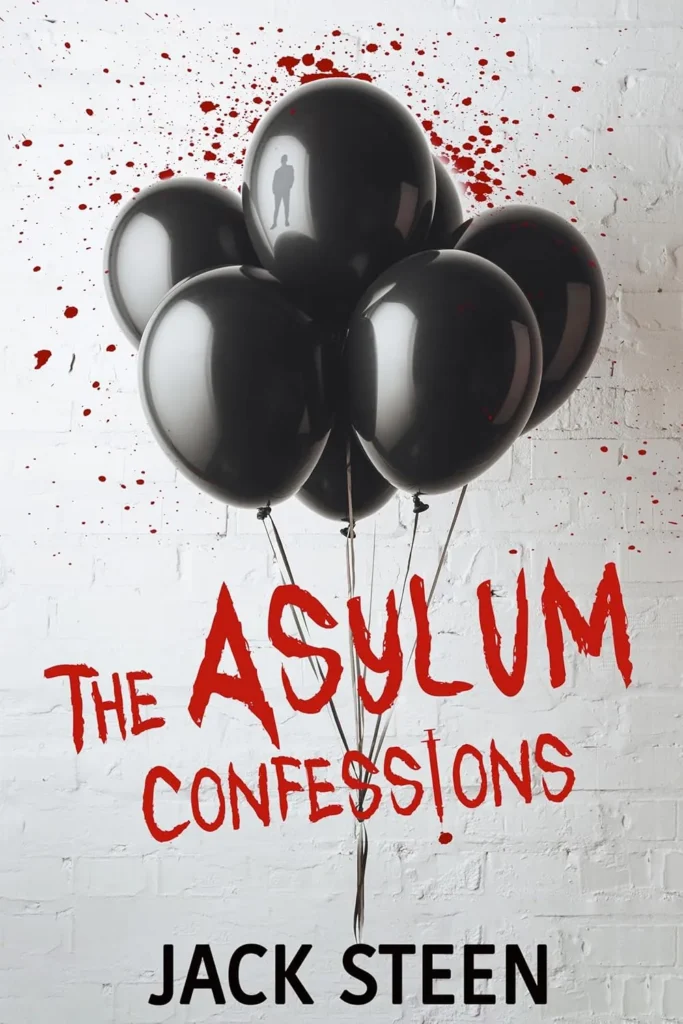
There are books that entertain. There are books that provoke. And then, very rarely, there is a book that does something far more unsettling: it makes you care deeply about people you have been told, emphatically and repeatedly, that you should not. The Asylum Confessions by Jack Steen is precisely that book. It does not seduce you with elegant prose or a glamorous premise. It seizes you by the throat with the raw, unvarnished voice of a night nurse who spends his working hours beside the deathbeds of the criminally insane, and it does not release you until the final page has been turned and the silence that follows feels somehow louder than everything that came before. This is not a comfortable book. It was never intended to be. But it is, without question, one of the most emotionally honest and profoundly affecting works of dark fiction you are likely to encounter this year.
The Deal That Changes Everything
Jack Steen works the Death Ward of a criminally insane asylum. His patients arrive alive and leave in body bags, discarded by families, forgotten by the world, and left to spend their final hours in a corridor that smells, as Jack puts it, like a wet grave on a summer afternoon. What Jack offers each dying inmate is the one thing nobody else in that building has ever bothered to provide: an audience. His deal is elegantly simple. Tell me the real story, the one the courtroom never heard, the one you have been saving until now, and he will write it all down. Four patients accept. Four confessions unfold. And nothing about what follows is quite what you expect.
Horror in the Mundane
One of the most impressive achievements of this book The Asylum Confessions by Jack Steen is is how completely Steen constructs the world of the asylum without ever straying into gothic excess. There are no crumbling towers or candlelit corridors here. The ward is institutional, unglamorous, and oppressively real. The walls are discoloured. The floors squeak under the wheels of a dragged chair. The corridor smells like disinfectant losing a long battle against something far less clinical. Steen renders this environment with the weary precision of someone who knows it by heart, and that specificity is what makes it so deeply affecting. The horror of the book does not arise from atmosphere alone but from the collision of that utterly mundane setting with the extraordinary darkness contained within its rooms.
Voices That Stay With You
Jack Steen: The Angel of the Death Ward
Jack Steen himself is one of the most compelling narrators in contemporary dark fiction. He is profane, acutely self-aware, and refuses to present himself as anything other than what he is: a man who has been working in hell for so long that he is no longer entirely certain he belongs anywhere else. He does not glamourise his role or romanticise his patients. And yet there is a tenderness buried beneath his rough exterior that only reveals itself in moments that catch you completely off guard. His relationship with Patient 871, a fifty-two-year-old woman he calls Bucket, represents some of the most quietly devastating writing in the entire book. When Jack cries at the end of her story, you understand why completely. You are probably crying too.
The Four Patients: Monsters With Beating Hearts
The four patients are extraordinary creations. The Chef is disarming in his civility and warmth, a man who speaks of family legacy and the love of cooking whilst the full weight of his crimes only gradually presses into horrifying focus. Barbie and Ken are a notorious criminal couple whose mutual devotion is simultaneously romantic and deeply repellent in equal measure. Bucket is the emotional heart of the book, a woman whose life of profound abuse, utter isolation, and fierce maternal instinct is rendered with extraordinary compassion. And then there is the Nanny, perhaps the most unsettling of them all, a woman so genuinely warm and credible that the gap between her sweetness and her actions feels like a fissure in reality itself.
What the Book Is Really About
This book is about far more than crime. At its deepest level it is an exploration of what it means to be witnessed, to have your story acknowledged by another human being before the silence closes in for good. Every patient who accepts Jack’s deal does so because they need their story to exist beyond the walls that are closing in around them. The book asks genuinely difficult questions about the origins of evil: is cruelty born or built? Is a monster shaped by trauma, by deliberate choice, or by something darker still? The Asylum Confessions asks you to hold sympathy and revulsion in the same hand simultaneously, which is profoundly uncomfortable and quietly brilliant. The theme of social abandonment runs through every single confession, reminding you that the people the world has chosen to forget are still people.
Raw, Unpolished, and Unforgettable
Jack Steen writes with the economy and directness of someone who has lived this story rather than invented it. The prose is raw, conversational, and occasionally shocking, but never gratuitously so. His editorial interventions throughout the confessions, those moments when he steps in to explain what he has omitted and why, add a remarkable layer of intimacy to the entire experience. You feel the presence of a real person mediating between you and something almost unbearable. The structure of the book, four distinct voices filtered through one overarching narrator, is handled with genuine craft. Each confession carries its own rhythm, its own emotional register, and its own particular variety of darkness.
Why Readers Will Love This Book
This book is genuinely impossible to put down! It is not a lengthy read, and it does not need to be. The pacing is relentless, the emotional range across the four confessions is remarkable, and the moments of unexpected dark humour scattered throughout Jack’s narration prevent the darkness from ever becoming suffocating. You will laugh at his sardonic observations about ward life, weep unexpectedly at Bucket’s fragile tenderness, feel genuinely disturbed by the Chef’s serene pride, and finish the Nanny’s confession with a lingering unease that will colour your thoughts for days afterward. It is the kind of book you immediately wish to press into the hands of someone you trust.
Who Should Read This Book
The Asylum Confessions by Jack Steen is essential reading for enthusiasts of psychological crime fiction, true crime narrative, and morally complex dark literary fiction. If you are drawn to unreliable narrators, deeply layered characters, and stories that challenge everything you assumed you understood about guilt, innocence, and the nature of evil, The Asylum Confessions will feel like a revelation. Readers who have savoured the work of Gillian Flynn or Thomas Harris and who appreciate fiction that confronts darkness with both unflinching honesty and genuine human empathy will find a very great deal to admire here.
Final Thoughts: Read It With the Lights On
When you close The Asylum Confessions, you will sit with it for a moment. Not because you are unsure of your feelings, but because the book has done something to you that the finest fiction always does: it has shifted something quietly and permanently inside you. You will think differently about the people the world has chosen to discard. You will find yourself questioning the comfortable distance you once maintained between monster and human being. You will remember Bucket. You will hear the Nanny’s voice in your head for days, warm and reasonable and utterly chilling. Jack Steen sets out to give the forgotten a final audience, and in doing so, he gives the reader something far more valuable: the disquieting, necessary reminder that every life, however broken and however terrible, contains a story worth hearing. The Death Ward is waiting. The notepad is open. Read it tonight, and prepare to be indelibly changed.
Frequently Asked Questions
What is The Asylum Confessions by Jack Steen about?
The Asylum Confessions is a collection of four deathbed confessions recorded from dying inmates of a criminally insane asylum by Jack Steen, a night nurse who offers each patient a peaceful death in exchange for their true, unfiltered story. Each confession reveals the deeply human truth behind some of the most disturbing criminal lives you will ever encounter in fiction.
Is The Asylum Confessions suitable for sensitive readers?
The book addresses themes including violence, abuse, sexual content, and harm to children. Jack Steen edits the most graphic material, but the content remains dark and emotionally intense throughout. It is intended for mature readers who are comfortable with morally complex and occasionally disturbing narratives.
How long is The Asylum Confessions?
It is a compact and fast-paced read, considerably shorter than a traditional novel. Despite its brevity, the emotional and narrative density of the book makes it feel thoroughly substantial and satisfying. Most readers will finish it in a single sitting.
Is The Asylum Confessions part of a series?
Yes! The Asylum Confessions is Book 1 in The Asylum Confession Files series by Jack Steen. Subsequent books continue with new confessions from different patients on the Death Ward, and readers who are captivated by the first book will find the series equally compelling.
What genre is The Asylum Confessions?
The book occupies the intersection of psychological crime fiction, dark literary fiction, and true crime narrative. It possesses elements of horror in atmosphere and subject matter, but the core experience is more emotionally and philosophically driven than conventionally frightening.
Who is Jack Steen?
Jack Steen is the pseudonym used by the author of The Asylum Confession Files series. He presents the books as authentic accounts from his work as a night nurse on a Death Ward, though whether they are entirely fictional or inspired by real events is deliberately left ambiguous, which adds considerably to their unsettling power.
Key Takeaways
The Asylum Confessions is a compact and brilliantly constructed work of dark fiction built around four unforgettable deathbed confessions. The narrator Jack Steen is one of the most original and compelling voices in contemporary psychological fiction. The book explores profound themes including social abandonment, the origins of evil, and the fundamental human need to be witnessed. The emotional range across the four confessions is extraordinary, moving from sardonic humour to devastating grief to genuine horror. It is essential reading for admirers of psychological crime fiction, true crime narrative, and morally complex dark literary fiction.
Narrative: 4.5/5
Objective: 5/5
Writing: 4.5/5
Overall: 4.5/5
Genre & Themes: Horror, Crime Fiction